Best use of social in crisis comms
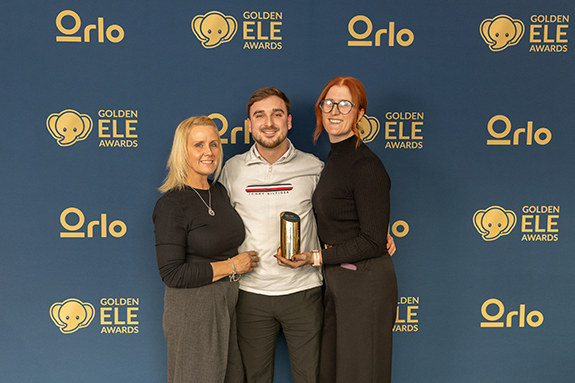
For its comms team’s use of social media to deliver effective and proactive responses to riots in Sunderland and Newcastle city centres.

The challenge
On 2nd August 2024, a spate of violent disorder broke out in Sunderland city centre. The riot formed part of a series of aggressive anti-immigration protests carried out across the UK in response to a tragic crime in Southport. Rioters damaged the city, raided shops and set fire to a local police station. Numerous police officers were injured and members of the public reported feeling unsafe. Northumbria’s comms team was inundated with messages, particularly from Black and Minority Ethnic (BAME) families, asking if it was safe to leave their houses. In total, the team received an overwhelming 12,000 messages in 24 hours.
Preventing crime, boosting police visibility and community engagement are key tenets of Northumbria Police’s Police and Crime Plan 2021-2025. Understandably, upholding these priorities throughout the course of the crisis proved challenging. Northumbria Police faced a number of demands: ensuring the safety of its local communities; preventing disorder as much as possible, and delivering effective up-to-date comms that both reassured and protected citizens. Their crisis response plan was called into action, and then tested again the following weekend when similar riots played out in Newcastle city centre.
The solution
Individuals volunteered time outside of their normal hours to help the control room to triage the volume of messages, and make sure intelligence about the Sunderland disorder was captured and sent to a live intelligence cell. Every single one of the 12,000 messages received were assessed using the standard THRIVE (standing for Threat; Harm; Risk; Investigation; Vulnerability and Engagement) model and triaged appropriately in line with the force’s established processes.
The following day, the comms team issued footage of suspects being arrested and continued to update on charges, convictions and sentences as a key method of deterring further violence.
Harnessing social media to manage the Newcastle riots
The following weekend, similar protests were planned in Newcastle city centre. With their experiences of handling the Sunderland riots fresh in their minds, Northumbria’s comms team leaned on social media to reassure communities, build trust with the police, and mitigate violence and crime.
Northumbria’s comms team used its social media management tool to monitor the sentiment on each channel, and used this data to devise a distinct strategy for each platform.
Ahead of the protests, the team issued comms across social media channels, with the aim of reassuring the public. Given the spread of disinformation on social media following the Southport incident, Northumbria Police’s comms team proactively issued content referring to official channels as the only trusted sources of information.
On the day of the expected disorder, a dedicated operational command centre was established. The team issued rolling comms across all social channels with live CCTV images of streets in the city to provide up-to-date reassurance for local communities. The team also communicated legal orders that were put in place, favouring clear comms written in plain English, rather than ‘legalese’. As open and honest communication forms the foundation of trust, communicating in this way nurtures positive relationships between communities and the police.
Northumbria’s comms team also created pre-scripted responses to FAQs to ensure that all police responded effectively and consistently to the public’s concerns about their safety. For members of the community not on social media, the comms team sent SMS messages to a handful of members of the Newcastle Key Individual Network (KIN) with a link to a YouTube video reassuring communities.
The results
Northumbria Police delivered an outstanding social and digital communications response to reassure the public throughout violent outbreaks in both Sunderland and Newcastle. In Newcastle, no significant disruption occurred. Members of the public reported that Northumbria Police’s crisis comms made them feel better informed and more safe, and served to build trust between citizens and the police. Northumbria’s comms efforts during the riots have been praised by leading figures across the North East – from the Mayor to local councillors.
During this period, the force also saw unprecedented levels of positive sentiment and engagement on social media, coupled with significant follower growth (followers across all channels grew by 9,000) – whilst managing extraordinary volumes of inbound contact. On Facebook, content received 8,200 positive reactions and one specific post received 850 shares. Posts on X generated an unusually high engagement rate of 7%.
By handling a large majority of the messages on social media, Northumbria were able to quickly reassure citizens without needing them to call 101, thus better engaging community members and also boosting internal efficiencies.
“We’re honoured to be recognised for how we engaged with our communities during the recent disorder experienced in the North East…
At a time when people felt real fear on our streets, our communications helped to keep them informed, and ultimately, made them feel safer. That lies at the heart of first-rate policing.”
Jemma Woolley | Northumbria Police

On awarding Northumbria Police with this Golden Ele, the judging panel said:
“This was a really effective way of using social media during a crisis. Northumbria’s clear communications and reassurance built trust with the public which was reflected through the positive sentiment and increase in following.”

ON DEMAND
Orlo’s BIG Social 2024
At BIG Social 2024, we explored the essential building blocks for successful community engagement and looked at how collaboration across the public sector can foster stronger, more resilient communities through brilliant conversations.
We were joined by fantastic speakers from right across the public sector and by some of our incredible Orlo Partners including Luan Wise, Nextdoor, LGcomms and Participation People.